Fernão Pires in Tejo: Portugal’s Aromatic White Grape for Fresh, Food-Friendly Wines
Chapter 1 — Understanding Fernão Pires in Tejo
Portugal’s native grape varieties offer an accessible way to understand the diversity of the country’s wine regions. In Tejo, one white grape is particularly important: Fernão Pires, also known as Maria Gomes in some parts of Portugal.
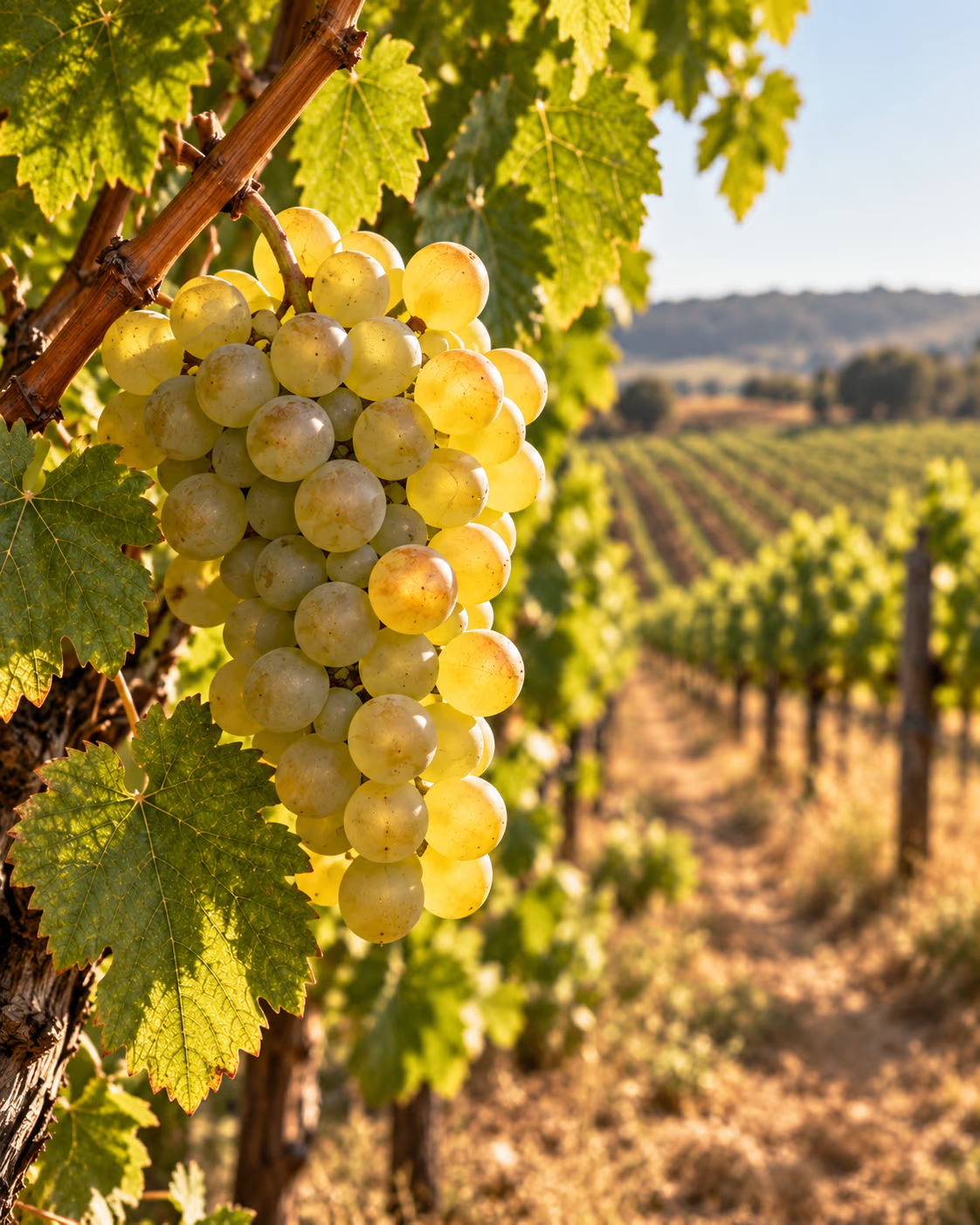
Fernão Pires is one of Portugal’s most widely planted grapes and is especially important in Tejo. Regional sources go further, describing it as the most significant white variety in the region by vineyard area and the variety most frequently found in Tejo white blends. According to the regional wine commission, it accounts for around 30% of plantings in Tejo.
For consumers discovering Portuguese wine beyond the country’s better-known red varieties, Fernão Pires provides a useful introduction to a different side of Portugal: aromatic, fresh white wines built around indigenous grapes and shaped by regional conditions.
Why Fernão Pires is so closely connected to Tejo
Tejo lies in the heart of Portugal, with the Tagus River playing an important role in shaping the region’s landscape, climate and different viticultural zones. Along the riverbanks, alluvial soils and the river’s moderating influence contribute to conditions associated with freshness and acidity in the wines. Fernão Pires and Arinto are among the native white varieties closely associated with the region.
Fernão Pires is particularly suited to warm conditions. Wines of Portugal describes the variety as well adapted to warm or hot climates and notes its preference for fertile soils. In Tejo, regional information highlights its productive nature, early ripening and pronounced aromatic intensity.
That combination helps explain why the grape has become such an important part of the region’s white-wine identity. Rather than relying on an internationally familiar grape name, Fernão Pires offers a distinctly Portuguese reference point while remaining relatively easy to understand through its aromatic profile.
What does Fernão Pires taste like?
Aroma is one of the variety’s defining characteristics.
Official Portuguese grape references associate Fernão Pires with citrus and floral notes including lime, lemon, roses and other flowers, together with tangerine and orange. Tejo’s regional grape reference likewise emphasizes floral aromas, particularly rose, alongside orange-like fruit character.
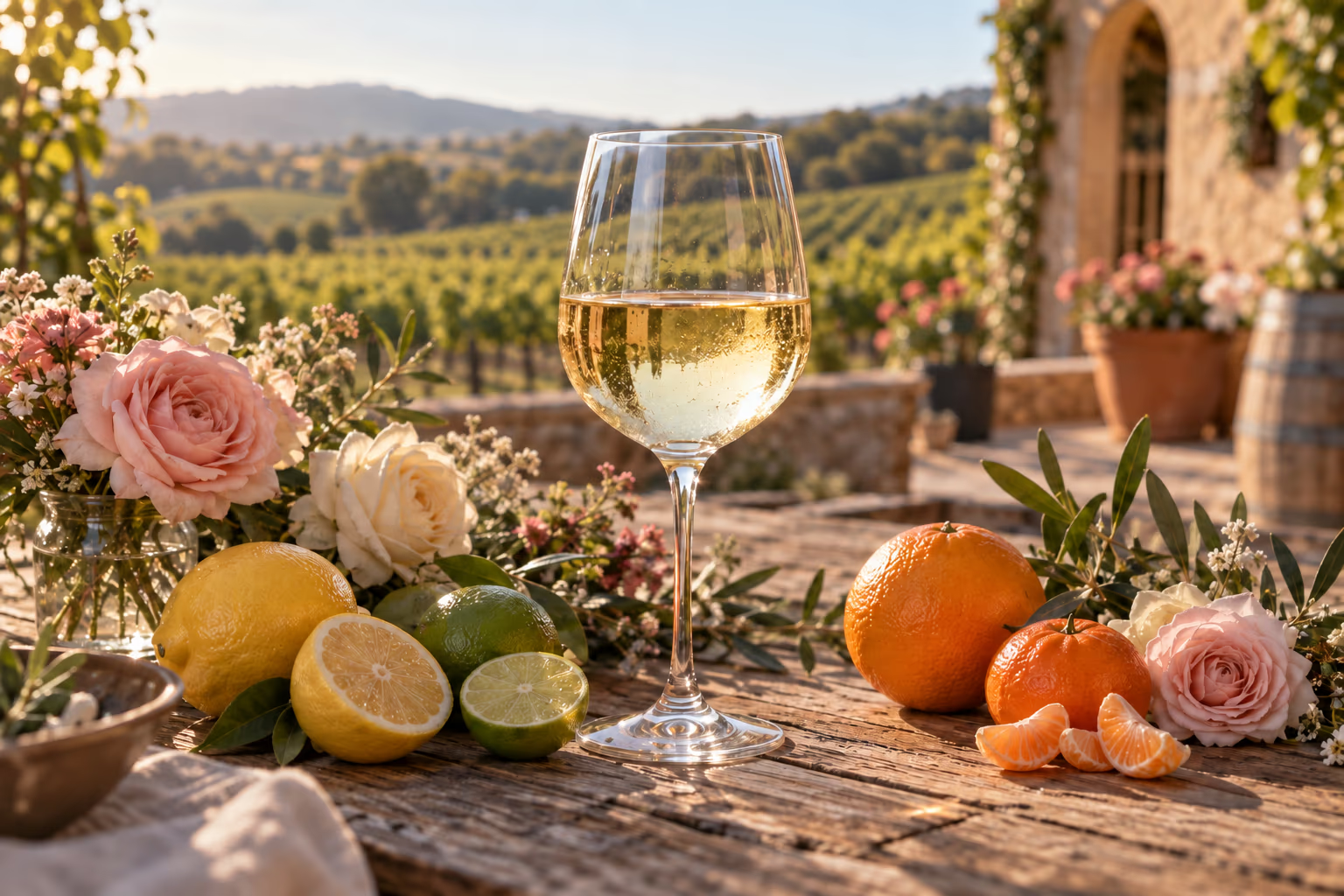
Fernão Pires is also notably versatile. It can be bottled as a single-variety wine, blended with other grapes, used as a base for sparkling wine or harvested later for sweeter styles. Wines of Portugal generally recommends enjoying the variety young, when its aromatic qualities are most immediate.
For someone approaching Portuguese white wine for the first time, that aromatic character makes Fernão Pires relatively straightforward to recognise. It can deliver an expressive introduction to native Portuguese grapes without requiring extensive knowledge of appellations or traditional wine terminology.
Why Arinto is a natural partner
Fernão Pires is often encountered in blends, and Arinto provides an instructive contrast.
Arinto is grown across much of Portugal and is known for lively acidity, freshness and a mineral character, with typical notes including green apple, lime and lemon. In Tejo, its acidity is particularly valued, and the variety is frequently used in blended wines.
From an educational perspective, the relationship is easy to understand: Fernão Pires contributes aromatic expression, while Arinto can reinforce freshness and acidity. Tejo’s regional wine reference identifies both varieties among the principal white grapes of the region and describes the region’s white-wine spectrum as ranging from the richer, floral character of Fernão Pires to the fresher profile associated with Arinto.
This type of blending also demonstrates why Portuguese wine is often easier to understand when attention shifts from individual grape names to the role each variety plays in the finished wine.
A flexible style for food
The same characteristics that make these grapes accessible in the glass also make them useful at the table.
Official grape guidance associates Fernão Pires with fish, cod, seafood and white-meat dishes, while Arinto is recommended with seafood, white fish, salads, light pasta and Asian food.
That flexibility is relevant for dining, where a single white wine may need to move comfortably between different styles of cooking. Rather than looking for one rigid pairing, the practical approach is to focus on dishes where freshness, citrus character and aromatic lift are useful: shellfish, grilled white fish, sushi, salads or lighter pasta preparations.
For readers looking to explore Portuguese native grapes through a regional white wine, the next step is to see how Fernão Pires and Arinto can work together in an estate-grown Tejo expression in the Chapter 2 of this post.
#FernaoPires
#TejoWine
#NativeGrapes
#WineEducation
#Sommeliers